Combined therapy
Manual therapy with physiotherapy or physical therapy, in one 50-minute session.
Hip, knee, ankle and foot
The booking page may open in Hungarian: switch it to English with the language menu at the top. Our physiotherapists speak English.
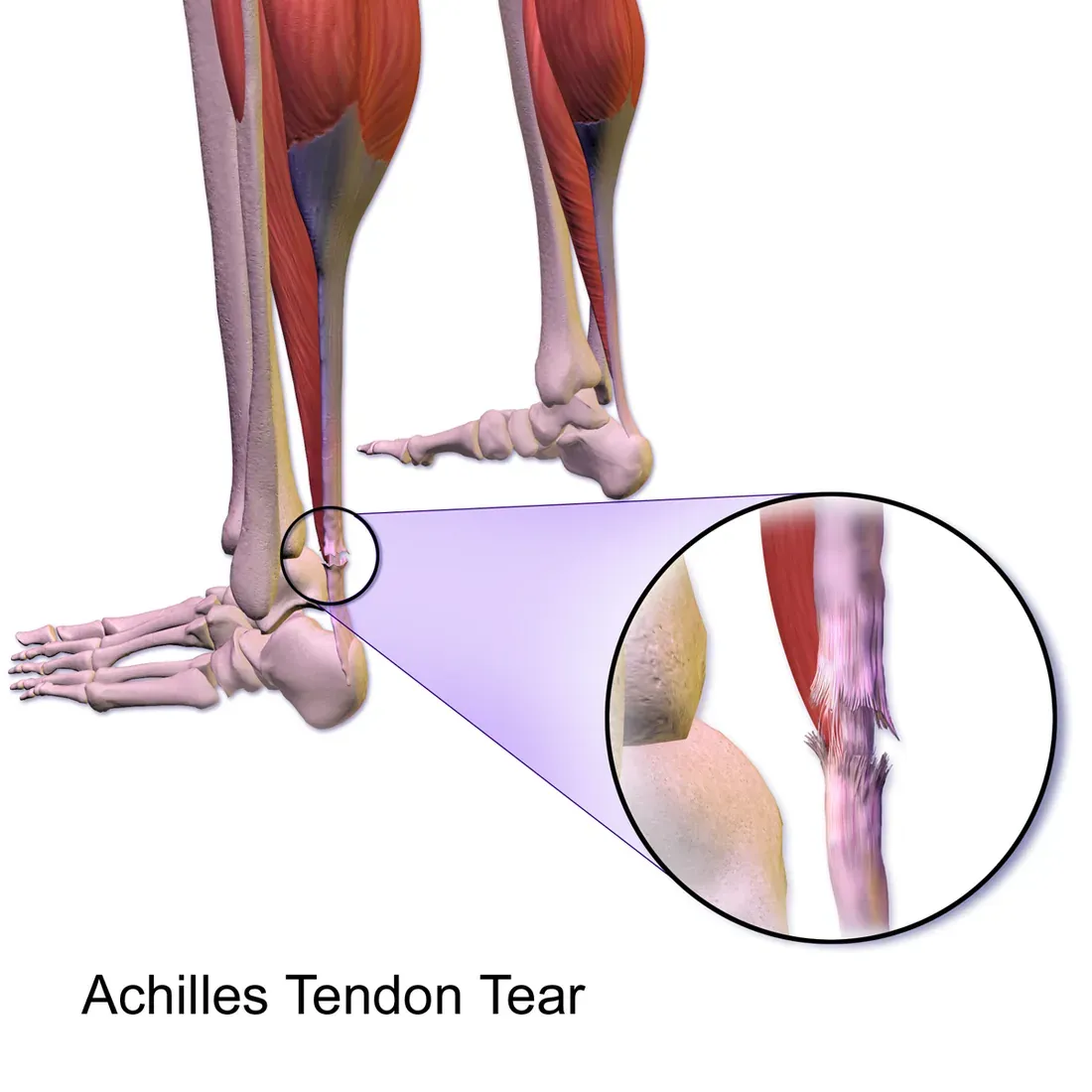
According to the sources, these are common:
Symptoms differ from person to person, and the same symptom can have more than one cause. A medical or professional examination can clarify the exact cause.
The Achilles tendon connects the calf muscles to the heel bone. According to the sources, Achilles problems most often come from overuse: a sudden increase in the amount or intensity of training, tight calf muscles, running on hard surfaces or too often, and a lot of jumping.
Tendinopathy builds up gradually, while a rupture happens suddenly, most often during sport. A tendon that is overloaded, weak or tight is more prone to injury. How the problem develops differs from person to person and cannot be predicted in advance.
We ask how the problem started, how much and on what surfaces you train, and in what shoes. We check how tender the tendon is, how your ankle moves, the strength and flexibility of your calf muscles, and how you load your foot when walking and rising onto your toes. If a rupture is suspected, we recommend an urgent medical check.
The health sources cited below highlight these points. This is general information and does not replace a personal examination:
Complaints in this group that patients at MozgásKlinika Újlipótváros often mention:
As well as the general warning signs below, with this problem also see a doctor if:
The treatment plan is always based on the assessment.
Manual therapy with physiotherapy or physical therapy, in one 50-minute session.
Active, personalised exercise therapy: movement control, strength and load tolerance, step by step.
Your history, a review of your scans or reports, and standardised manual and functional tests.
We place you on the right level of the MozgásPiramis® and draw up a personal plan.
Treatment begins in that same session.
We suggest the right therapist for you after the assessment. Meet the team.
Local, practical articles from the Váci út clinic’s blog.
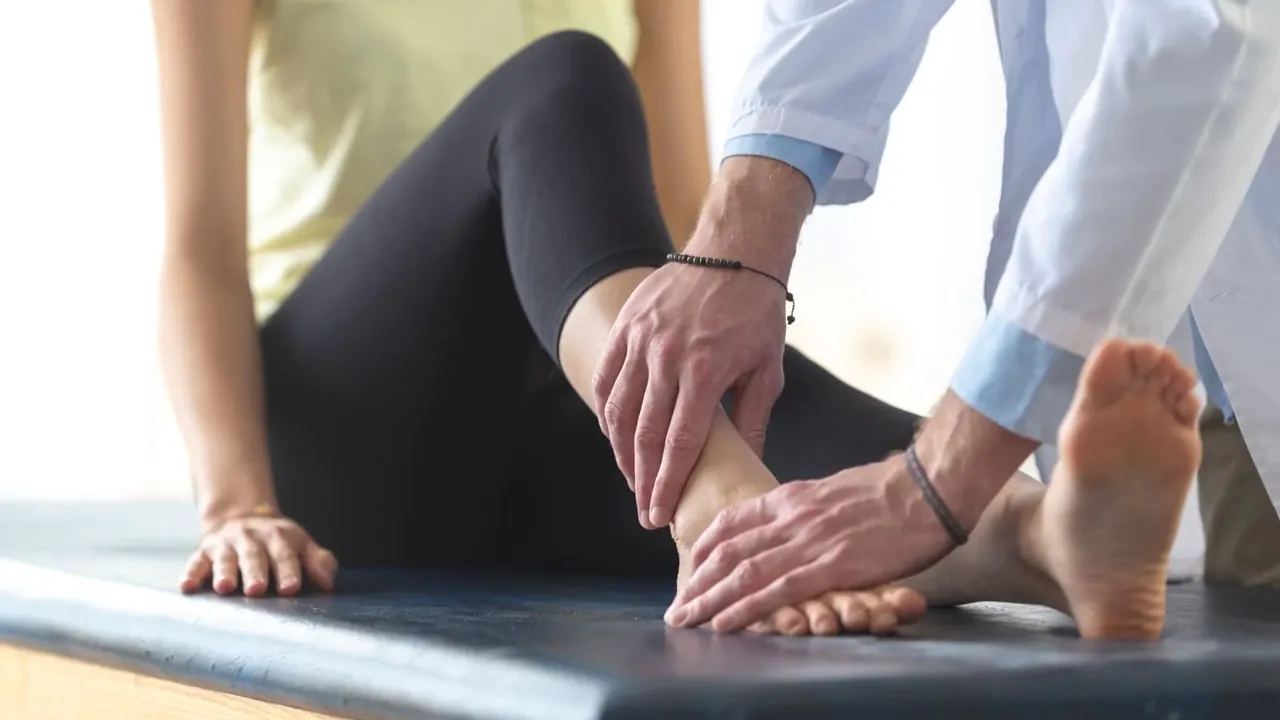
Heel pain with your first steps in the morning? How physiotherapy and manual therapy can help with a heel spur, on Váci út in Újlipótváros, Budapest.
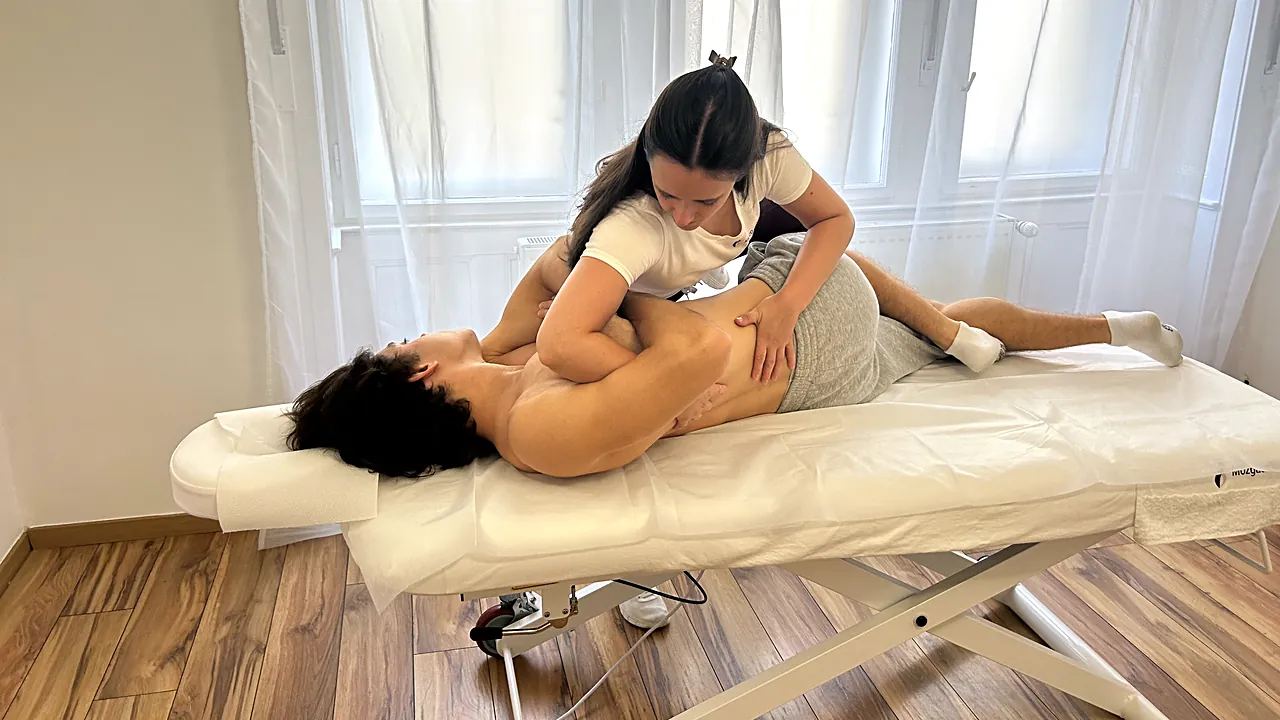
Physiotherapy or manual therapy? A plain comparison, and why your first assessment decides. MozgásKlinika Újlipótváros, Váci út 28, Budapest XIII.
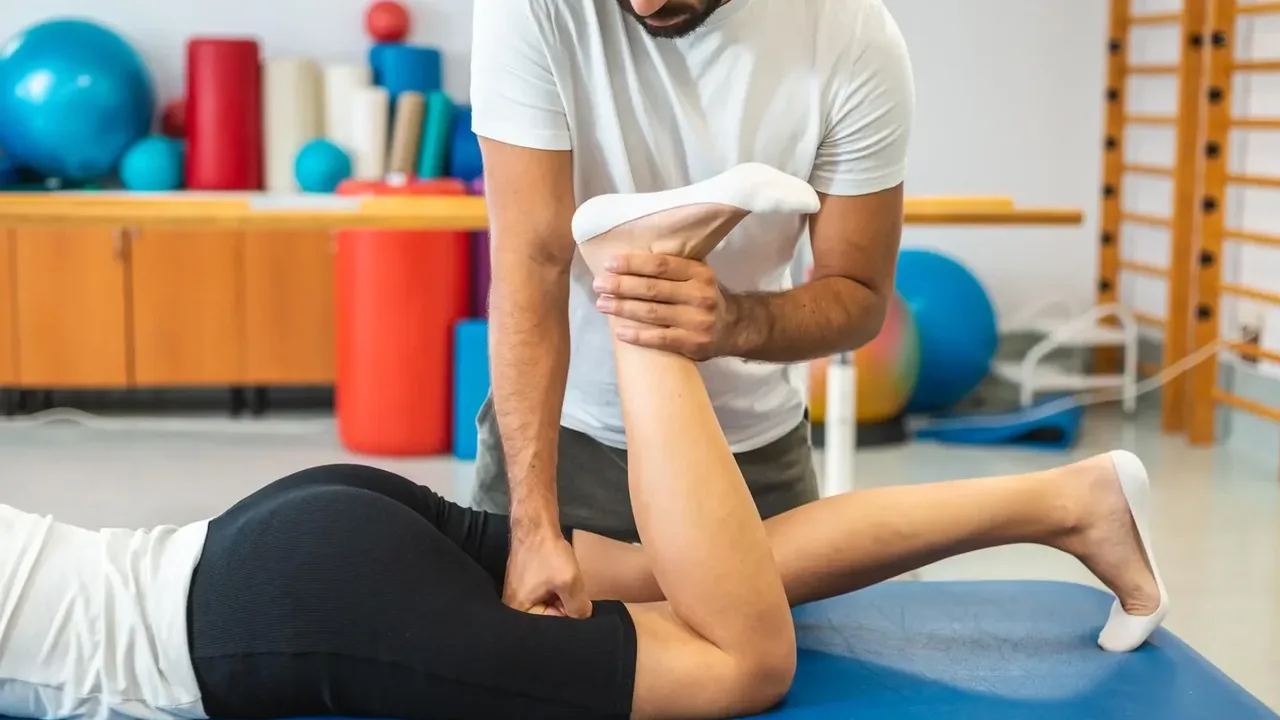
Pain spreading down the leg, numbness or tingling? What sciatica is, when physiotherapy helps and which signs need a doctor now. MozgásKlinika Újlipótváros.
No. You can book an appointment at MozgásKlinika Újlipótváros online or by phone without a referral. If you have earlier scans or reports (MRI, X-ray, CT), please bring them to your first visit.
The first consultation and assessment lasts 60 minutes and costs 24,990 HUF. The price covers the assessment, the review of your scans or reports, and physiotherapy and manual therapy in the same session.
The number of sessions cannot be guaranteed in advance: it depends on your individual response and on the assessment. On the first level of the MozgásPiramis®, the clinic recommends 12 sessions, two a week.
In more depth: the MozgásKlinika network’s professional article (in Hungarian) (opens in a new tab)
Exercise and explainer videos from the MozgásKlinika network (in Hungarian): YouTube (opens in a new tab) TikTok (opens in a new tab)
What this page says about symptoms, frequency and warning signs is based on the health sources below (checked: 2026-11-06). Some of them are in Hungarian.
Last updated:
This page is general information and does not replace an in-person assessment. Services, prices, equipment and opening times are subject to change. For current details, call us or see the pages of MozgásKlinika’s own clinics: our clinics.
The first consultation lasts 60 minutes, costs 24,990 HUF, and treatment starts in the same session. No referral needed.