Manual therapy
Hands-on treatment for joint mobility and pain relief, followed up with active exercise.
Shoulder, elbow, wrist and hand
The booking page may open in Hungarian: switch it to English with the language menu at the top. Our physiotherapists speak English.
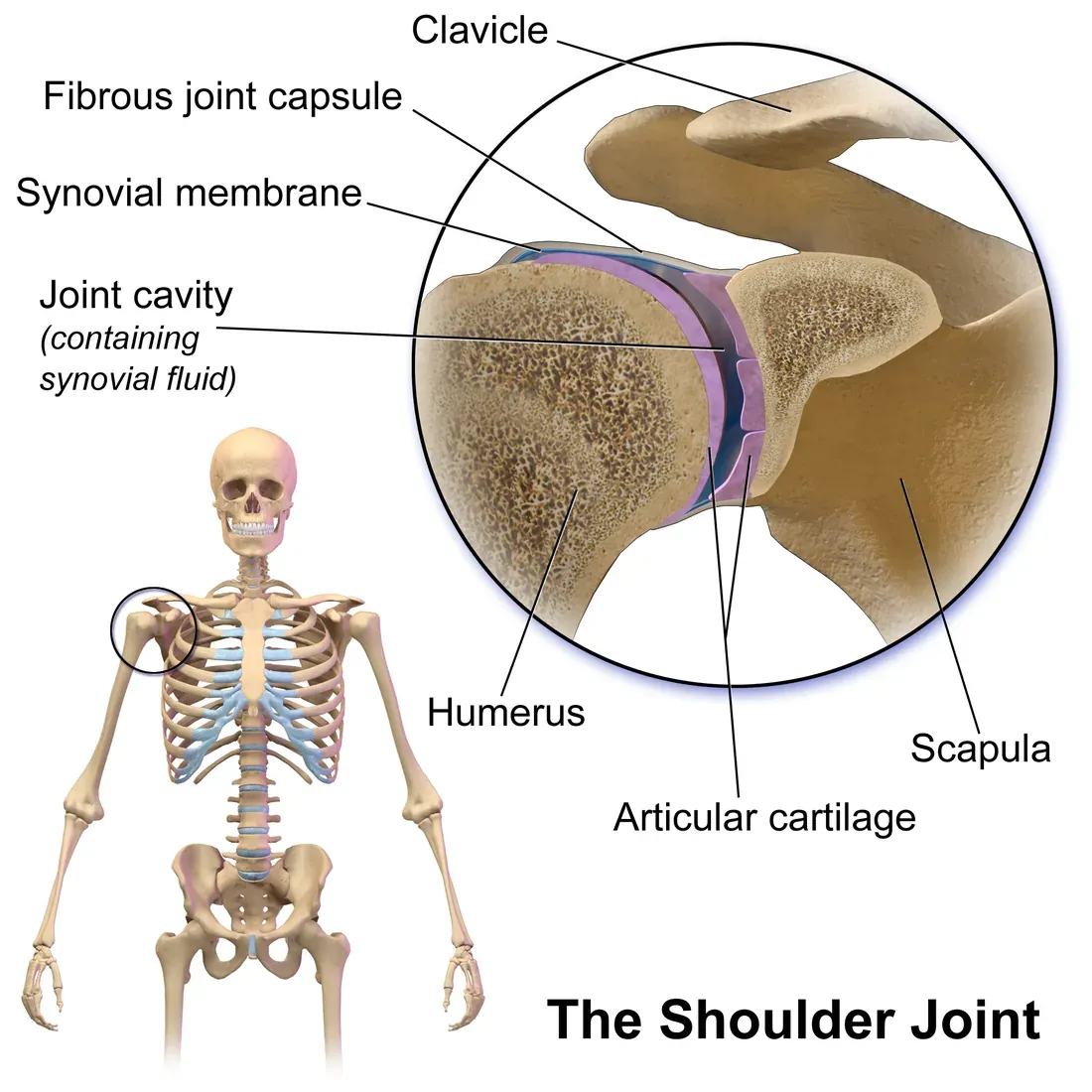
According to the sources, these are common:
Symptoms differ from person to person, and the same symptom can have more than one cause. A medical or professional examination can clarify the exact cause.
According to the sources, a common cause of shoulder pain is irritation or overload of the rotator cuff tendons, often linked to repeated overhead movements (at work or in sport). Bursitis, frozen shoulder, wear-related changes or an injury can also cause it.
How and at what pace the problem changes differs from person to person and cannot be predicted in advance. That is why we shape the course of treatment around the assessment and the changes we see.
We check which movement hurts and in which position, how well your shoulder moves actively and passively, and how strong the muscles around it are. Because shoulder pain can come from the neck, we check the neck too. With a fresh injury, a deformity or very severe pain, we recommend a medical examination first.
The health sources cited below highlight these points. This is general information and does not replace a personal examination:
Complaints in this group that patients at MozgásKlinika Újlipótváros often mention:
As well as the general warning signs below, with this problem also see a doctor if:
The treatment plan is always based on the assessment.
Hands-on treatment for joint mobility and pain relief, followed up with active exercise.
Active, personalised exercise therapy: movement control, strength and load tolerance, step by step.
Manual therapy with physiotherapy or physical therapy, in one 50-minute session.
Your history, a review of your scans or reports, and standardised manual and functional tests.
We place you on the right level of the MozgásPiramis® and draw up a personal plan.
Treatment begins in that same session.
Based on the therapists’ own list of specialisms published in the Salonic booking system. All of them speak Hungarian and English.

Physiotherapist
Physiotherapy degree: University of Debrecen
Speaks Hungarian and English

Physiotherapist
Physiotherapy degree: Semmelweis University
Speaks Hungarian and English
Local, practical articles from the Váci út clinic’s blog.
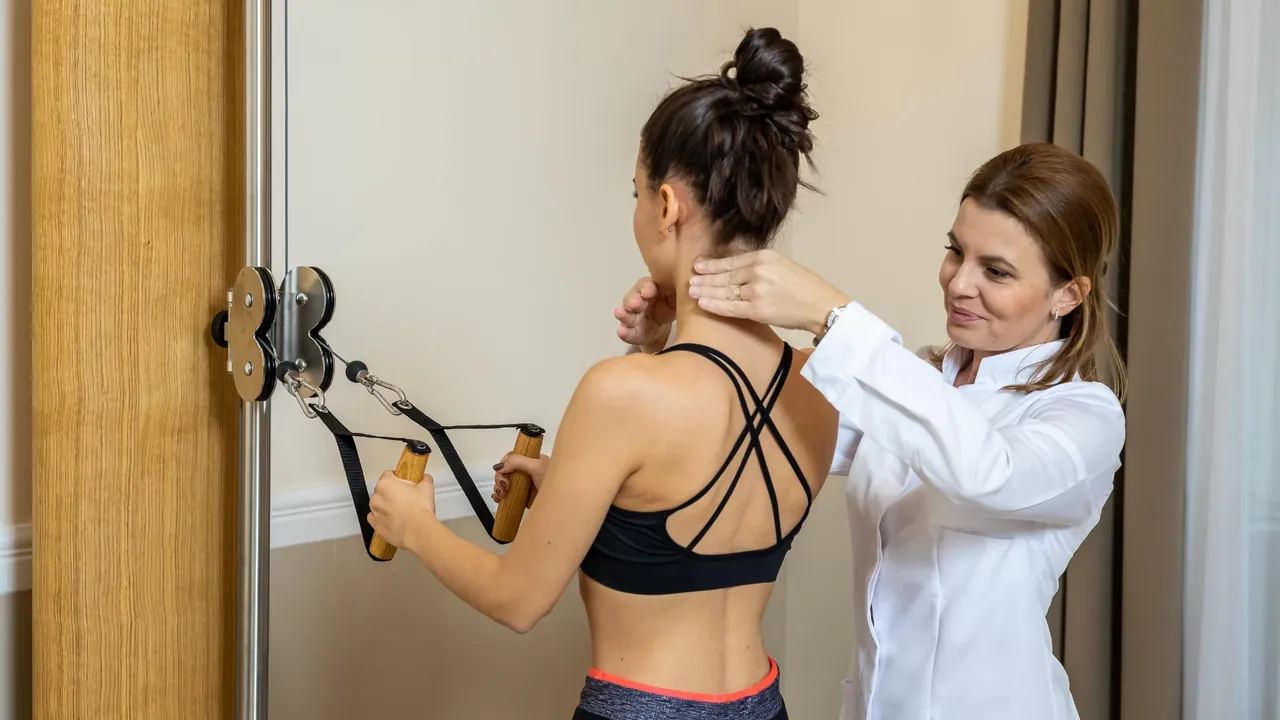
Shoulder pain treatment in Budapest's 13th district: physiotherapy and manual therapy on Váci út, opposite Westend. Common causes, red flags, first visit.
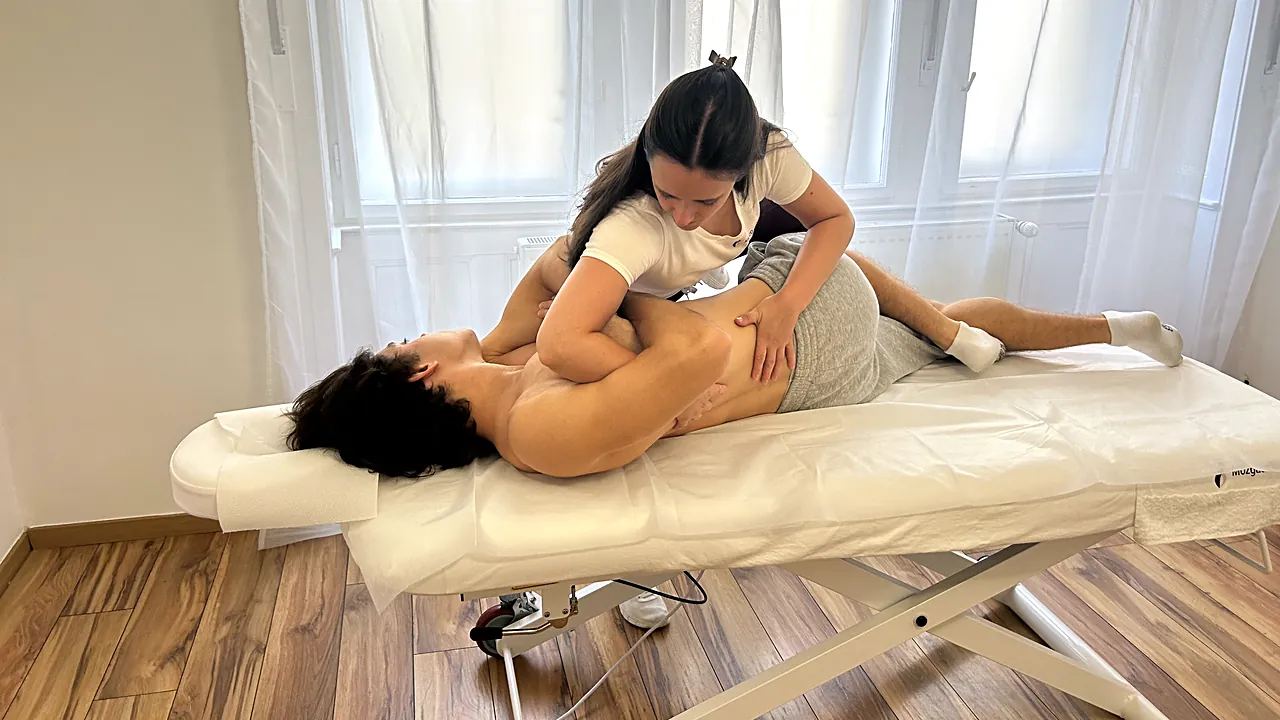
Physiotherapy or manual therapy? A plain comparison, and why your first assessment decides. MozgásKlinika Újlipótváros, Váci út 28, Budapest XIII.

Pain spreading down the leg, numbness or tingling? What sciatica is, when physiotherapy helps and which signs need a doctor now. MozgásKlinika Újlipótváros.
No. You can book an appointment at MozgásKlinika Újlipótváros online or by phone without a referral. If you have earlier scans or reports (MRI, X-ray, CT), please bring them to your first visit.
The first consultation and assessment lasts 60 minutes and costs 24,990 HUF. The price covers the assessment, the review of your scans or reports, and physiotherapy and manual therapy in the same session.
The number of sessions cannot be guaranteed in advance: it depends on your individual response and on the assessment. On the first level of the MozgásPiramis®, the clinic recommends 12 sessions, two a week.
In more depth: the MozgásKlinika network’s professional article (in Hungarian) (opens in a new tab)
Exercise and explainer videos from the MozgásKlinika network (in Hungarian): YouTube (opens in a new tab) TikTok (opens in a new tab)
What this page says about symptoms, frequency and warning signs is based on the health sources below (checked: 2026-11-05). Some of them are in Hungarian.
Last updated:
This page is general information and does not replace an in-person assessment. Services, prices, equipment and opening times are subject to change. For current details, call us or see the pages of MozgásKlinika’s own clinics: our clinics.
The first consultation lasts 60 minutes, costs 24,990 HUF, and treatment starts in the same session. No referral needed.