Physiotherapy (gyógytorna)
Active, personalised exercise therapy: movement control, strength and load tolerance, step by step.
Spine, neck and posture
The booking page may open in Hungarian: switch it to English with the language menu at the top. Our physiotherapists speak English.
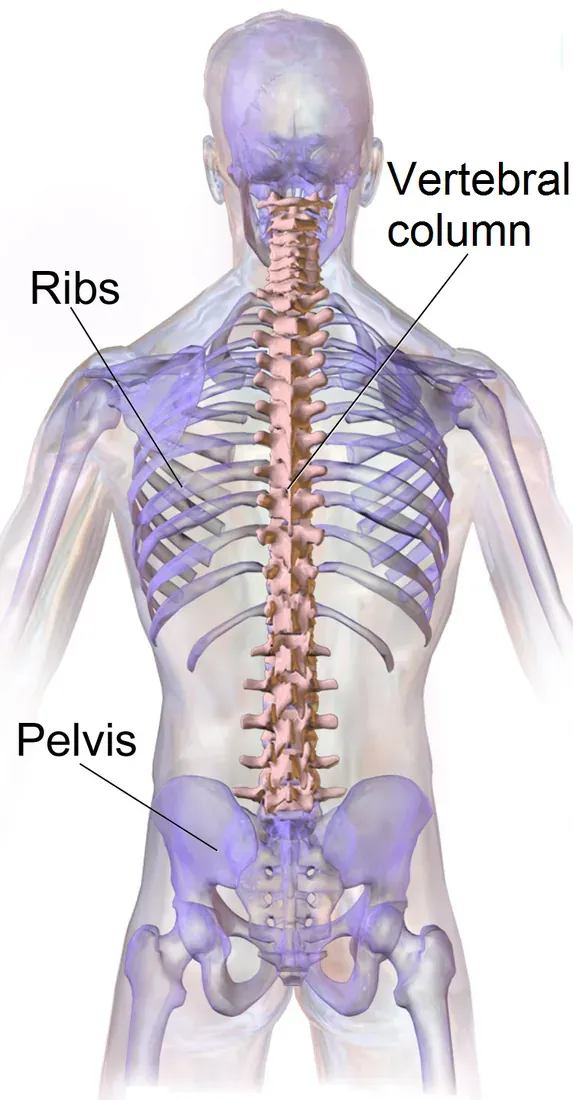
According to the sources, these are common:
Symptoms differ from person to person, and the same symptom can have more than one cause. A medical or professional examination can clarify the exact cause.
Posture is how you hold your body when you move and when you are still: sitting, standing or lying down. The spine has three natural curves (neck, mid back, low back); according to the sources, good posture keeps these curves without increasing them.
The sources name long periods of slumped sitting (at a desk or screen), little physical activity, weak core muscles and being overweight as factors that can affect posture and lead to neck, shoulder or back pain. How the problem develops differs from person to person and cannot be predicted in advance.
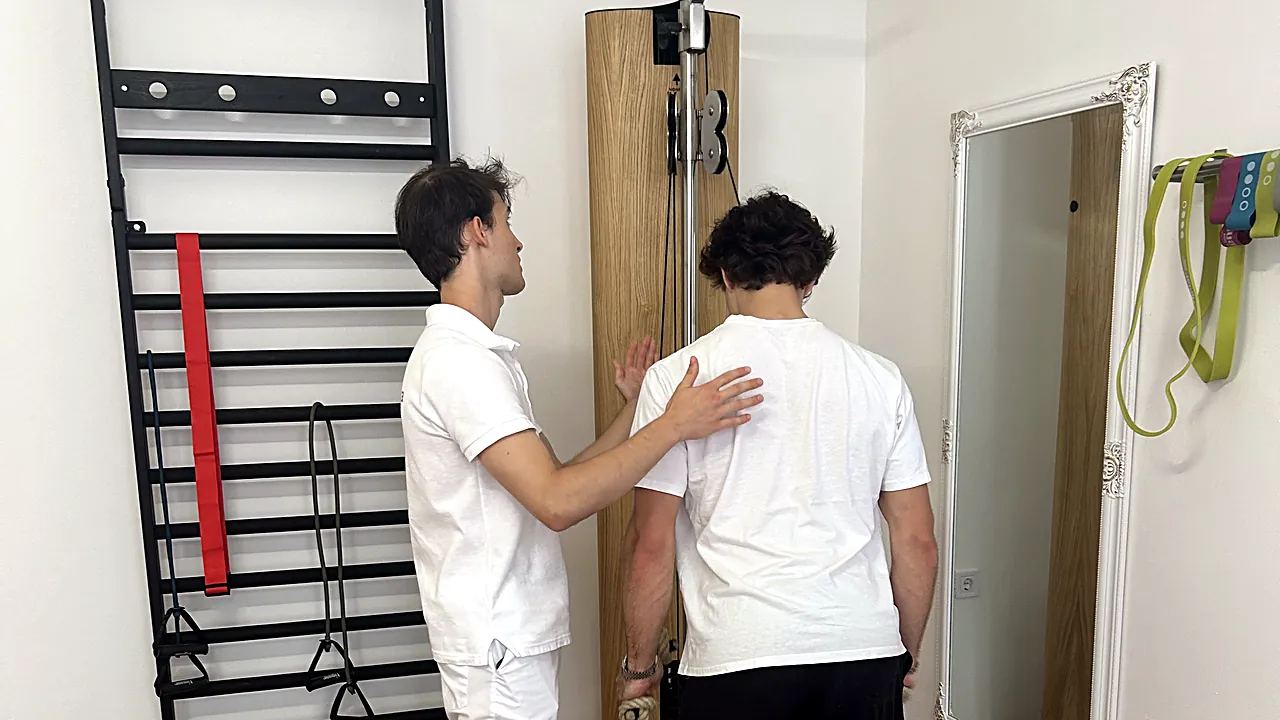
We look at your posture standing and sitting, from the front, the side and behind, and at how your spine, shoulders and hips move. We check the strength of your core and back muscles and whether any muscles are shortened. We ask about your work and an average day, because posture often comes down to daily habits.
The health sources cited below highlight these points. This is general information and does not replace a personal examination:
Complaints in this group that patients at MozgásKlinika Újlipótváros often mention:
As well as the general warning signs below, with this problem also see a doctor if:
The treatment plan is always based on the assessment.
Active, personalised exercise therapy: movement control, strength and load tolerance, step by step.
Hands-on treatment for joint mobility and pain relief, followed up with active exercise.
Training planned by a healthcare professional after rehabilitation, at the top of the MozgásPiramis®.
Your history, a review of your scans or reports, and standardised manual and functional tests.
We place you on the right level of the MozgásPiramis® and draw up a personal plan.
Treatment begins in that same session.
Based on the therapists’ own list of specialisms published in the Salonic booking system. All of them speak Hungarian and English.
Physiotherapist
Physiotherapy degree: University of Debrecen
Speaks Hungarian and English

Physiotherapist
Physiotherapy degree: University of Szeged
Speaks Hungarian and English

Physiotherapist
Physiotherapy degree: Semmelweis University
Speaks Hungarian and English
Physiotherapist
Physiotherapy degree: University of Szeged
Speaks Hungarian and English
Local, practical articles from the Váci út clinic’s blog.

Adult scoliosis and back pain: what NHS guidance says, what to realistically expect from physiotherapy, and when to see a doctor. MozgásKlinika Újlipótváros.
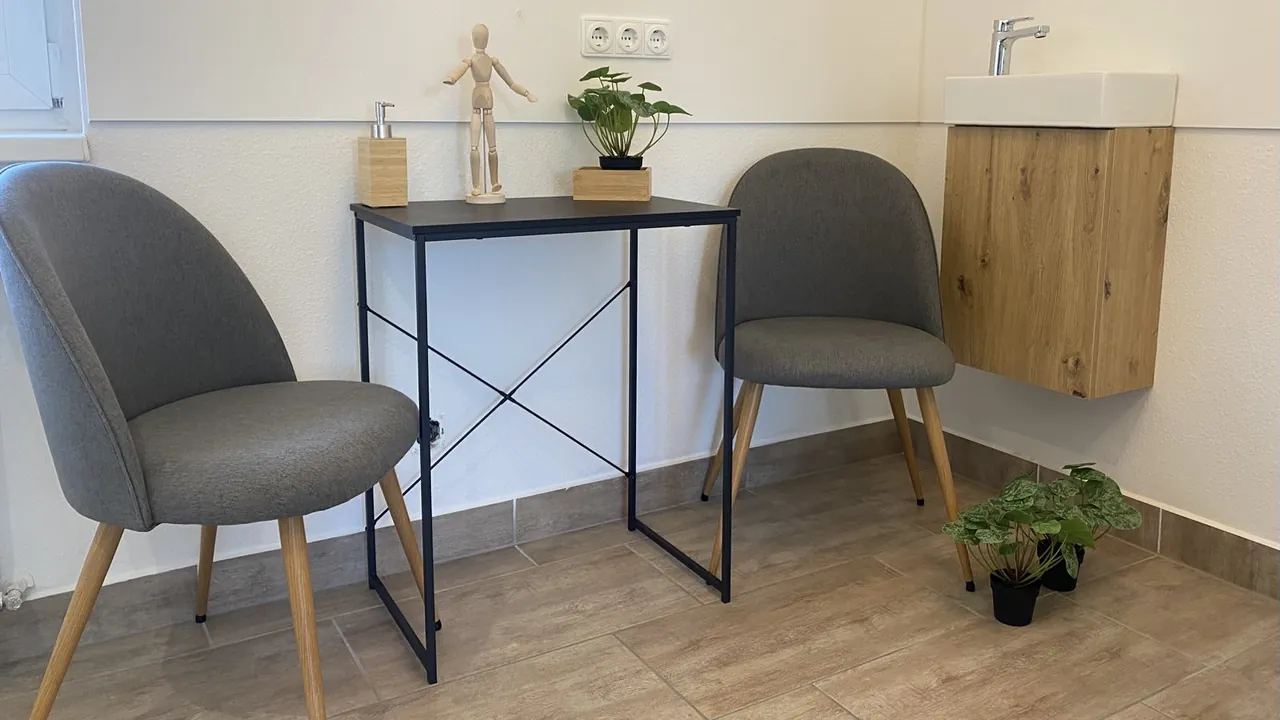
A step-by-step office ergonomics guide: chair, monitor, laptop, home office. Physiotherapy at Váci út 28, opposite Westend, in Budapest's 13th district.
Children's posture: choosing and packing a school bag, screen time, movement, and when to see a doctor. Tips for parents in Budapest's 13th district.
No. You can book an appointment at MozgásKlinika Újlipótváros online or by phone without a referral. If you have earlier scans or reports (MRI, X-ray, CT), please bring them to your first visit.
The first consultation and assessment lasts 60 minutes and costs 24,990 HUF. The price covers the assessment, the review of your scans or reports, and physiotherapy and manual therapy in the same session.
The number of sessions cannot be guaranteed in advance: it depends on your individual response and on the assessment. On the first level of the MozgásPiramis®, the clinic recommends 12 sessions, two a week.
In more depth: the MozgásKlinika network’s professional article (in Hungarian) (opens in a new tab)
Exercise and explainer videos from the MozgásKlinika network (in Hungarian): YouTube (opens in a new tab) TikTok (opens in a new tab)
What this page says about symptoms, frequency and warning signs is based on the health sources below (checked: 2026-11-06). Some of them are in Hungarian.
Last updated:
This page is general information and does not replace an in-person assessment. Services, prices, equipment and opening times are subject to change. For current details, call us or see the pages of MozgásKlinika’s own clinics: our clinics.
The first consultation lasts 60 minutes, costs 24,990 HUF, and treatment starts in the same session. No referral needed.