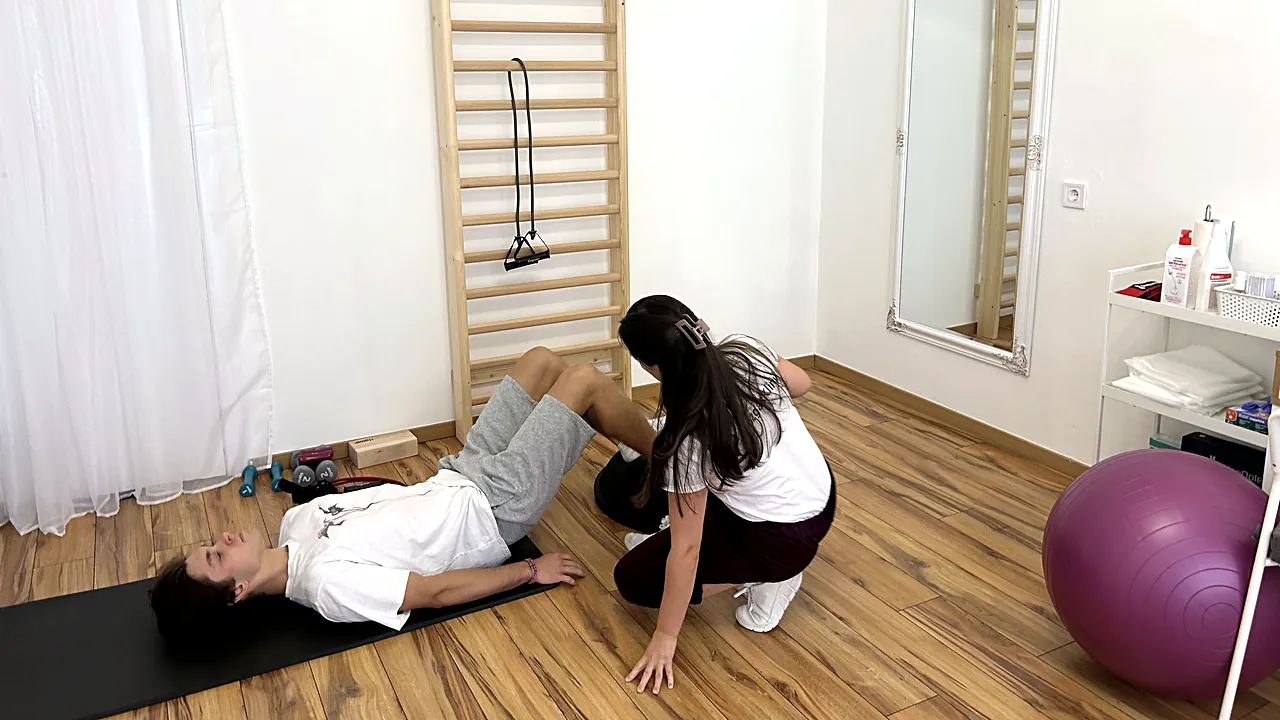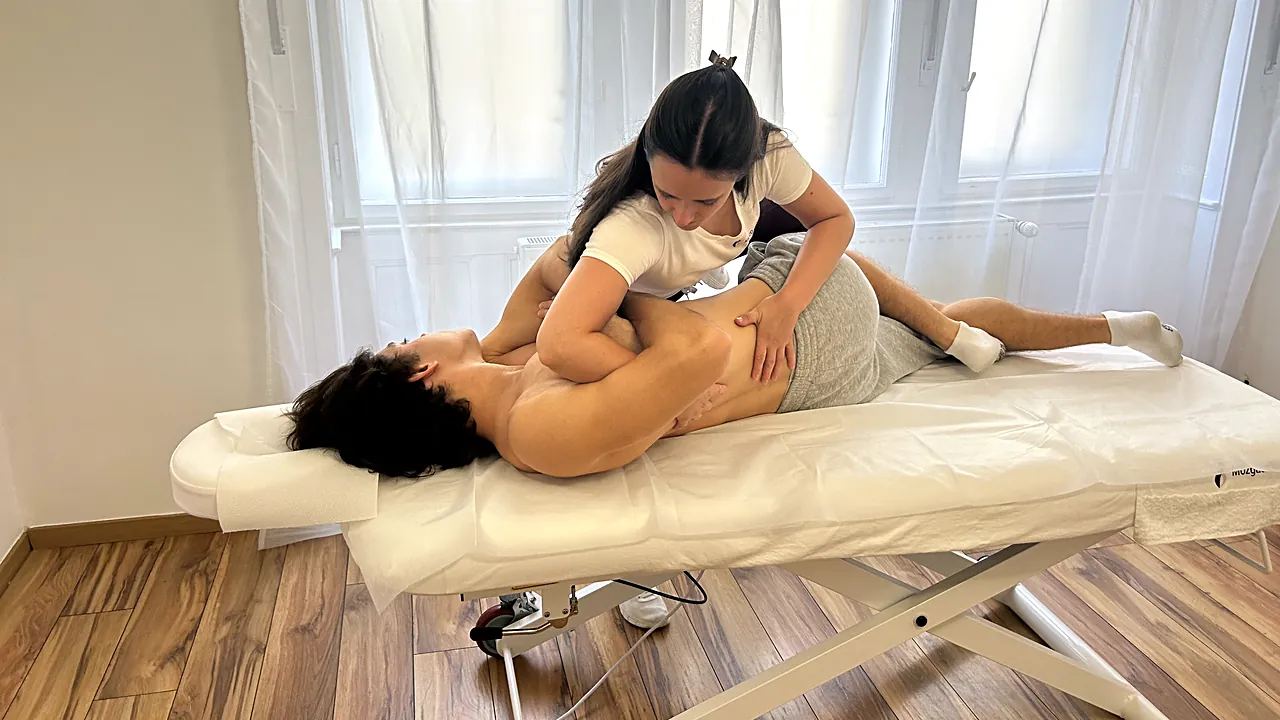
Sciatica is not a disease in itself but the name for a group of symptoms: pain that runs from the lower back or buttock down the back of the leg, sometimes with numbness, tingling or weakness. According to the NHS, it happens when the sciatic nerve is irritated or compressed; a herniated disc is one common cause. The NHS says it usually gets better in a few weeks to a few months, but it can last longer and can come back.
If you notice any of the following, do not wait for an appointment: see a doctor straight away or call 112.
These symptoms need a doctor now
- problems controlling your bladder or bowels, or being unable to pee
- numbness or loss of feeling around the genitals, anus or buttocks
- pain spreading into both legs
- leg weakness that is getting worse quickly (for example your foot drops or you trip)
- back pain with fever, feeling very unwell, or a history of cancer
When to wait, and when to see a physiotherapist
If the pain is bearable, none of the warning signs above apply and you are a little better each day, gentle but regular movement is usually better than bed rest. The NHS also advises staying as active as the pain allows.
It is worth seeing a physiotherapist if:
- the pain has not eased noticeably after a few weeks
- it keeps coming back, or more often than before
- it limits your work, sleep or everyday movement
- you are unsure what is safe to do
You do not need a referral for physiotherapy. At MozgásKlinika Újlipótváros, Váci út 28, opposite WestEnd, the first 60-minute visit starts with an assessment: the physiotherapist asks about your symptoms, checks how your spine and leg move, your strength and sensation, and tells you if anything needs a medical check-up.
What the guidelines say about treatment
The UK NICE guideline (NG59) on low back pain and sciatica recommends exercise therapy first, and manual therapy only as part of a treatment plan that also includes active exercise. The same guideline says imaging (such as an MRI) is not needed for the first steps in most cases; that decision is always a doctor’s.
In practice, at our clinic this means:
- Assessment: where the pain starts, what makes it worse and what eases it.
- Manual therapy if the assessment supports it, always together with exercise.
- Physiotherapy exercises: a few exercises chosen for you, which you also do at home.
- Physical therapy as an add-on if your therapist thinks it helps.
We deliberately do not publish a one-size-fits-all routine: with sciatica, the same movement can ease one person’s pain and worsen another’s. We explain how home exercises work in a separate article.
Common questions
Is sciatica the same as a herniated disc? No. A herniated disc is one of the most common causes, but not the only one. Only a medical examination can establish the cause.
Do I need an MRI before physiotherapy? Not necessarily. If you have results, bring them. If the assessment suggests you need a medical check-up, your physiotherapist will tell you.
How long does it take to get better? The NHS says it usually gets better in a few weeks to a few months, but it varies a lot from person to person. Nobody can promise a timeline.