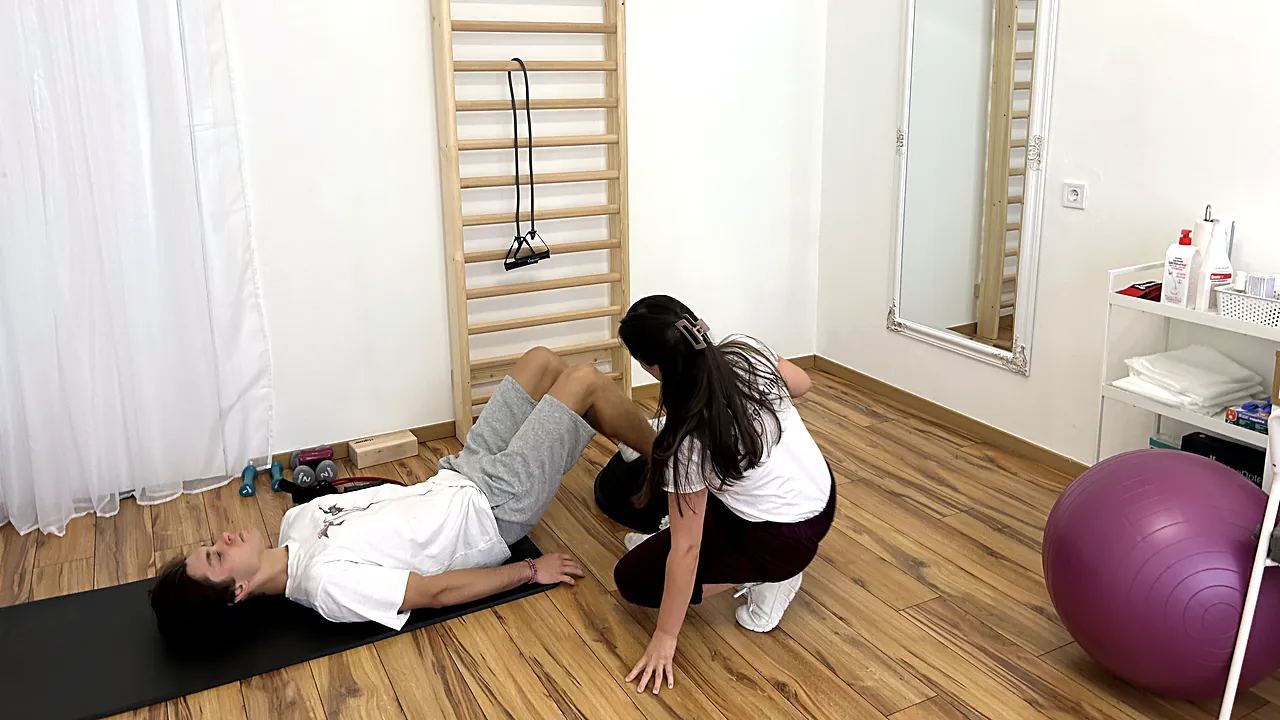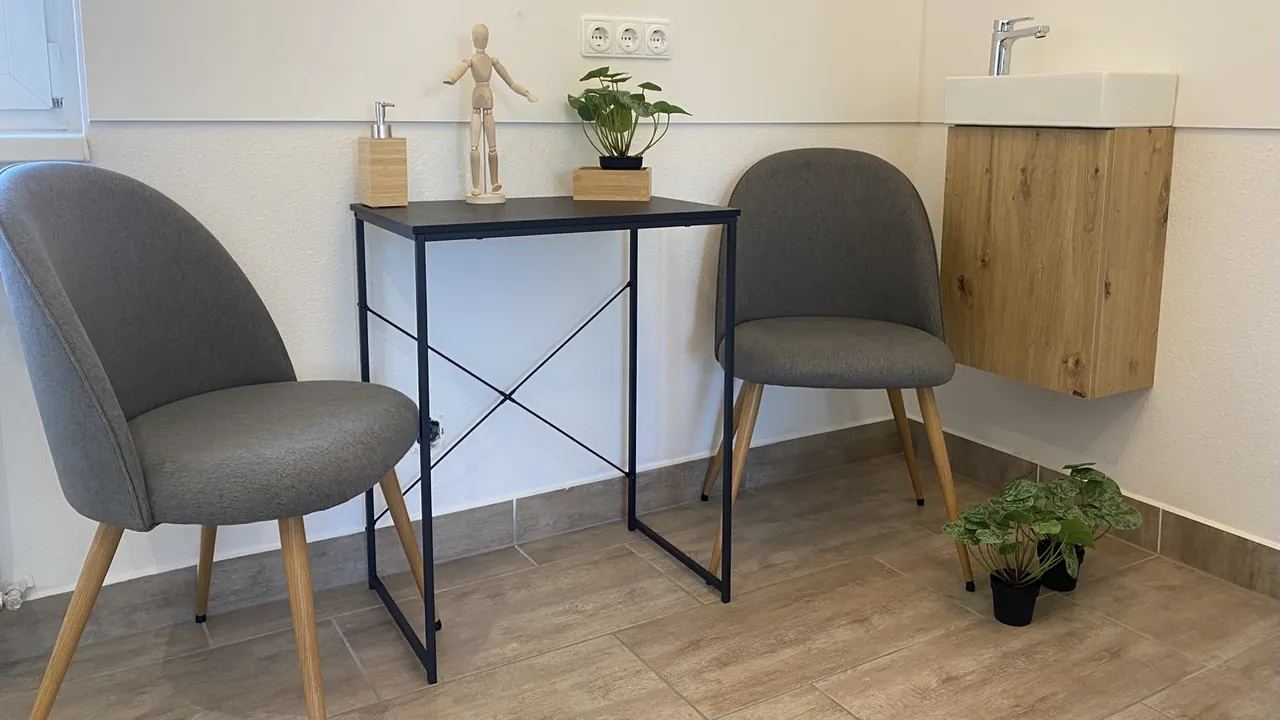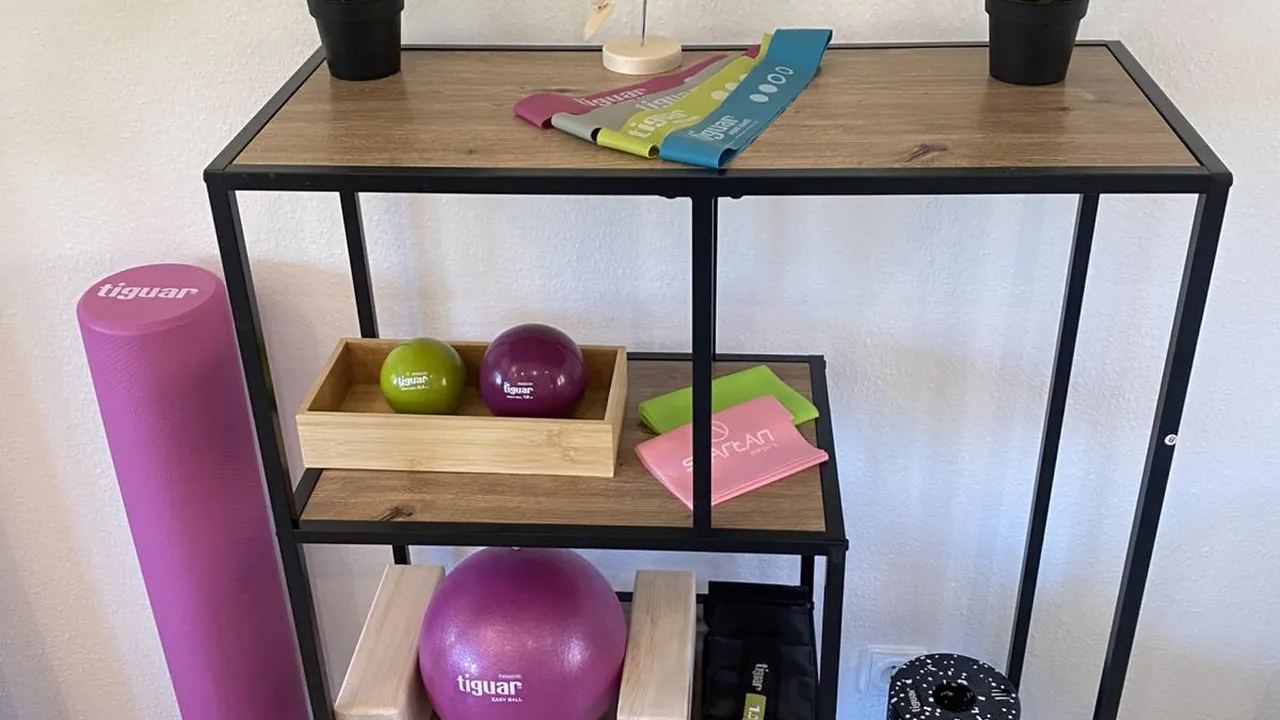
Pregnancy physiotherapy can help with back, hip and pelvic pain during pregnancy and after the birth, but it should only start once your doctor or midwife has said yes and a physiotherapist has assessed you in person. At MozgásKlinika Újlipótváros, on Váci út 28 in Budapest’s 13th district (XIII. kerület), we’re part of a network that lists maternity physiotherapy among the areas it treats. Whether our own clinic offers it right now is something to check with us before you book. Below: the common complaints, the basic principles of safe movement, and the signs that mean stop straight away.
A quick word on terms: in Hungary, gyógytorna means physiotherapy built around therapeutic exercise, and kismama torna or kismama gyógytorna is its pregnancy-specific form. Manuálterápia is manual (hands-on) therapy.
Is pregnancy physiotherapy available at our Újlipótváros clinic?
Honest answer: maternity physiotherapy is on MozgásKlinika’s list of treated areas, but not every clinic in the network offers every service. Before you book specifically for this, give us a ring on +36 30 790 6270 and we’ll tell you whether one of our physiotherapists works with pregnant or postnatal patients.
If we can’t help with it, we’ll say so.
For a broader look at when it’s worth seeing a physio at all, see our piece on finding a physiotherapist in the 13th district.
What tends to hurt during pregnancy?
Your body changes month by month. The bump grows, your centre of gravity moves forward, your posture shifts, and your ligaments become looser. For many women, that shows up as:
- lower back and mid-back pain, often worse after standing or sitting for a long time;
- pain around the pelvis, over the sacrum at the back or at the pubic bone at the front, often called pelvic girdle pain;
- buttock pain, sometimes running down the leg;
- neck and shoulder tension, which often gets worse after the birth with feeding and carrying.
Not every ache is simply part of being pregnant, though. Back pain can have causes a doctor needs to look at, which is why there’s a separate warning-signs section below. If back pain is your main concern generally, our article on lower back pain in the 13th district goes into more detail.
Why a general pregnancy workout isn’t enough
Two pregnant women with the same complaint can be in very different situations. It matters how many weeks along you are, whether you’ve had back or pelvic problems before, how active you were before pregnancy, and what your doctor has said about how things are going. A pregnancy workout video knows none of that.
So your first visit starts with an assessment. We ask questions, look at any medical notes, watch how you move, and only then suggest anything. At MozgásKlinika, treatment normally begins in that same first session; in pregnancy, though, how we treat you is adjusted to your stage and your doctor’s advice. You can read exactly what happens in your first assessment at our Újlipótváros clinic.
Book a consultation (opens in a new tab)
Moving safely while pregnant: the principles
We’re deliberately not giving you an exercise routine here. That should only be put together in person, after an assessment. A few general principles apply to everyone, though.
Doctor first, then movement. Start any new kind of exercise, physiotherapy included, only with your obstetrician’s or midwife’s approval, and check in again if anything about your pregnancy changes.
Build up gradually; pregnancy isn’t the time to chase personal bests. Avoid activities where you could easily fall or take a knock to the bump, and in later weeks check with your physio before doing anything lying flat on your back. Drink enough and don’t overheat.
Listen to your body. If something hurts, stop.
When should you stop immediately?
Warning signs: stop exercising straight away if you notice
- any vaginal bleeding;
- leaking amniotic fluid or any other fluid;
- regular, painful contractions;
- dizziness or feeling faint;
- chest pain or unusual breathlessness, even before you’ve started;
- a severe headache that doesn’t go away;
- pain or swelling in your calf;
- your baby moving less than usual;
- sudden, severe pain in your abdomen or pelvis.
Don’t carry on. Contact your obstetrician or midwife without delay, and if symptoms are severe, call 112 or go to the maternity emergency department.
Postnatal physiotherapy: when can you start?
After the birth, plenty of women want to get back to their old routine quickly. Your body needs time, though. When you can return to regular exercise depends on how you gave birth, how you’re healing and your postnatal check-up, and it’s your doctor who decides that, not the calendar.
Common postnatal topics include the tummy muscles separating (diastasis recti), weak pelvic floor muscles and the bladder leaks that can come with them, back and pelvic pain, and neck and back tension from feeding, pushing a pram and carrying your baby.
Book a consultation (opens in a new tab)
How we work, in three steps
We map out your complaint: questions, your medical notes and your doctor’s advice, then how you stand and move.
We build a treatment plan around you, based on the assessment and where you are in pregnancy or recovery.
And we get started in the very first session, once medical approval is in place. We won’t promise a set number of sessions in advance; that depends on the assessment and how you respond.
Close to home in Újlipótváros
Újlipótváros is home to a lot of young families, and when you’re pregnant or have a newborn, every extra journey counts. We’re at Váci út 28, opposite Westend, between Lehel tér and Nyugati. Take the M3 metro to Lehel tér or Nyugati pályaudvar, or trams 4 or 6 to Nyugati tér. If you drive, you can park in the Westend underground car park and cross Váci út. It’s about a 2–3 minute walk from the Lehel tér metro exit and about 8 minutes from Nyugati pályaudvar.
Inside, there are a few steps and then a lift up to the mezzanine floor. If you’re bringing a pushchair, call ahead and we’ll help. Full directions are in our guide to finding our clinic by Westend on Váci út.
Frequently asked questions
Do I need a referral?
No referral is needed for a private clinic like ours. During pregnancy, though, you do need your obstetrician’s or midwife’s go-ahead, and after the birth, wait for your postnatal check-up and your doctor’s approval.
Can I bring my baby?
Please check with us by phone beforehand.
How can I pay, and will my insurance cover it?
You can pay by cash, bank card or SZÉP card, and ask for an invoice for a Hungarian health fund (egészségpénztár). Our article on paying with a health fund or SZÉP card has the details. If you have foreign insurance: we issue Hungarian invoices only, can’t fill in forms for foreign insurers, and claiming reimbursement is your responsibility.
How many sessions will I need?
We can’t say in advance, and we won’t promise a number. It depends on your assessment, your complaint and your stage of pregnancy or recovery.
Pregnancy and the months after it move fast, and what felt fine at week 20 may feel different by week 36. If your back or pelvis is complaining, you don’t have to grit your teeth until the birth: talk to your doctor, and if they’re happy, come in to Váci út for an assessment.