Looking for physiotherapy in Budapest’s 13th district (XIII. kerület)? MozgásKlinika Újlipótváros, at Váci út 28 opposite Westend, offers exercise therapy, manual therapy and supporting device-based treatments – not as separate items on a menu, but combined into one treatment plan built around you. Your first visit starts with an assessment, and treatment begins in that same session.
This page is an overview: what physiotherapy means in Hungary, what you can actually get at the clinic, and how the pieces fit together.
What does “physiotherapy” mean in Hungary?
If you’ve tried booking in Hungarian, you’ve probably met three or four words that all seem to mean physio. Here’s the key. Fizioterápia is the umbrella term, much like “physiotherapy” in English, and the professional is a gyógytornász-fizioterapeuta (physiotherapist). Under that umbrella sit three branches:
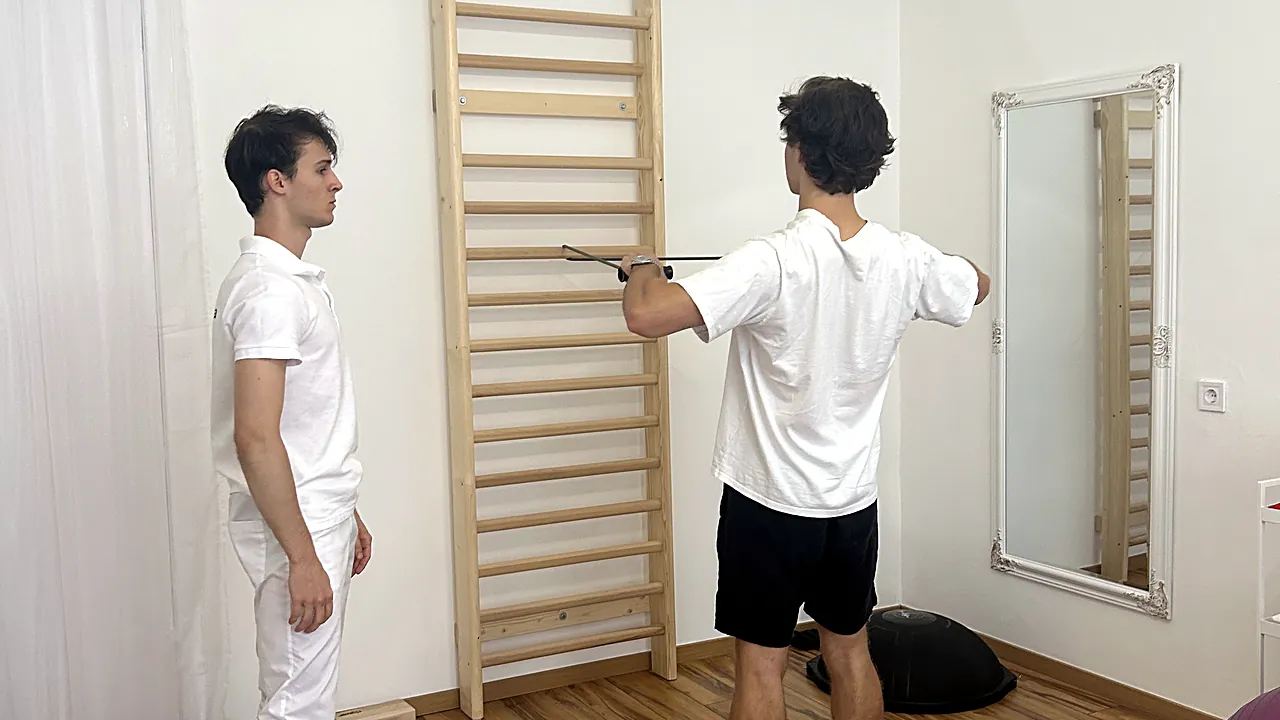
- gyógytorna – therapeutic exercise: targeted, guided movement that you do under a physiotherapist’s eye. Booking systems often translate it simply as “physiotherapy”;
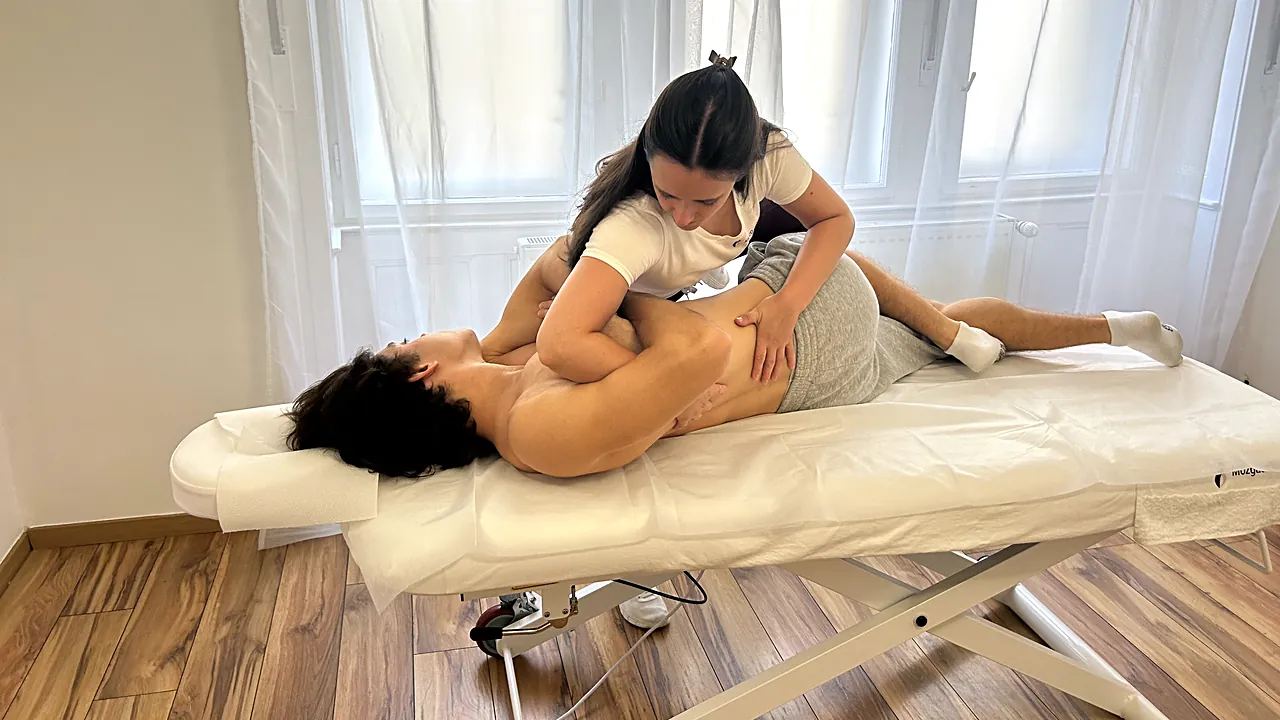
- manuálterápia – manual therapy: hands-on treatment of joints, muscles, ligaments and connective tissue (fascia);
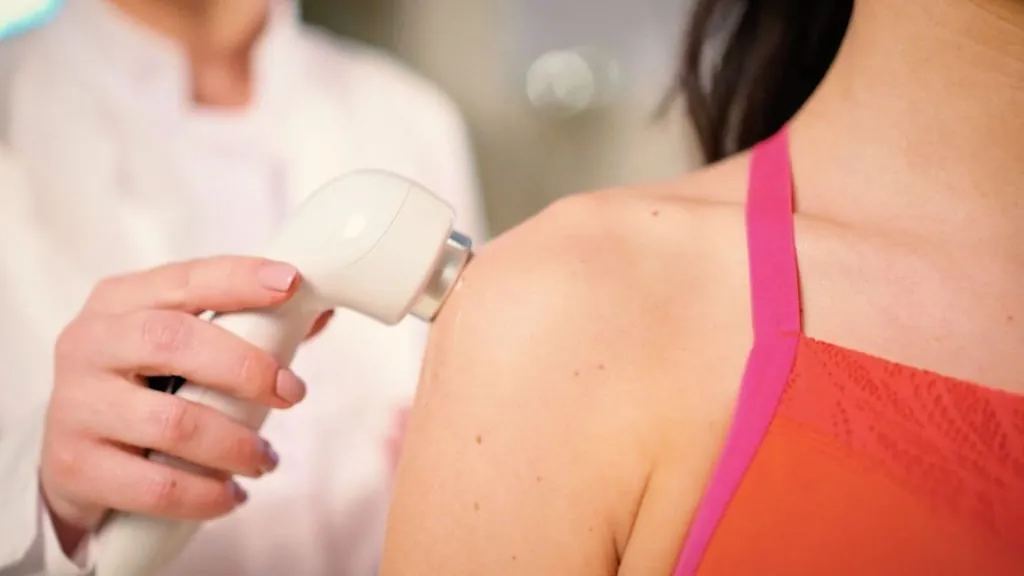
- fizikoterápia – device-based treatments using physical agents, such as ultrasound or TENS.
Trying to decide between exercise therapy and manual therapy? Our article on physio or manual therapy covers that. The short version: you don’t have to decide. This page is about what’s available here and how it connects.
Physiotherapy in the 13th district: what’s on offer at Váci út
Exercise therapy (gyógytorna)
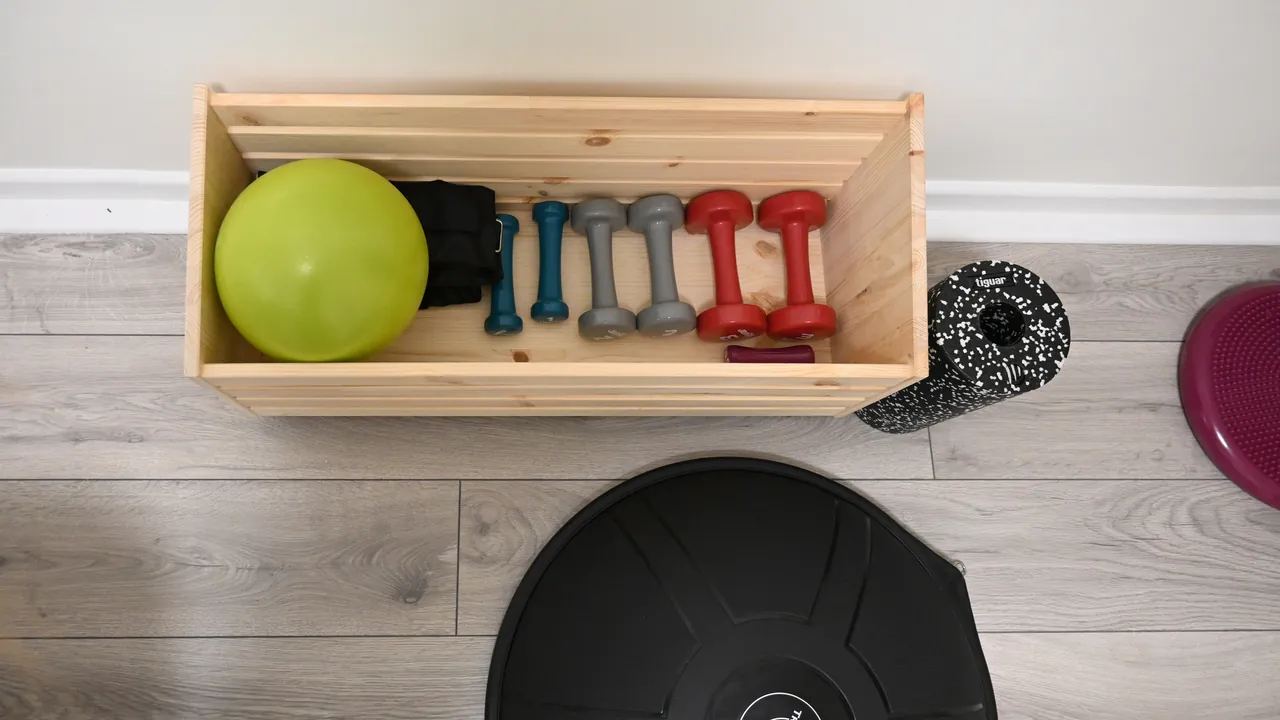
This is the backbone of treatment. You work through mobility, stability and strengthening exercises while the physiotherapist checks your form, corrects it and gradually adds load. The network also offers sport-specific exercise therapy for people who train. To see who you’d be working with, read our physiotherapists in the 13th district.
Manual therapy (manuálterápia)
Hands-on treatment aimed at the tissue behind the pain: a stiff joint, a tight muscle, an irritated ligament. With strong, recent pain it’s often what brings the first relief, so that movement gets easier afterwards. More detail: manual therapy in Újlipótváros.
Device-based treatments (fizikoterápia)
The MozgásKlinika network’s price list names TENS, ultrasound and cupping as separate items, and the first level of the treatment protocol also mentions ultrasound, shockwave and kinesiology taping. Ask which of these are available at Váci út before you book.
Here, devices usually play a supporting role. Alongside hands-on work and exercise they can help ease pain and improve circulation, but lasting progress doesn’t come from a machine.
Rehab after injury, and Medical Fitness
After surgery or injury – an ACL or meniscus operation, say, or a joint replacement – the aim is to load the area again gradually and safely. Rehabilitation after injury is one of the clinic’s core services. Once pain is no longer the question and keeping it away is, Medical Fitness on Váci út can take over: individual training led by a healthcare professional.
Book a consultation (opens in a new tab)
How the treatments become one plan: the MozgásPiramis®
It’s easy to think of a physio clinic’s services as a menu: manual therapy today, a machine next week, then see how it goes. That’s not how we work. MozgásKlinika’s own method, the MozgásPiramis® (Movement Pyramid), breaks recovery into five levels, each with its own mix of treatments.
At the bottom level the goal is pain relief and better circulation. Manual therapy and exercise therapy are used in roughly equal measure, often with device treatments added, and the clinic’s own protocol for this stage is 12 sessions, twice a week – although nobody can promise in advance exactly how many sessions you’ll need, because that depends on your assessment and on how your body responds. Moving up the pyramid, there’s less hands-on work and more movement: joint range of motion, strength, functional stability and finally the return to full activity.
The most common mistake is stopping as soon as the pain eases. Being pain-free and being properly recovered are two different points. Stop in between and the risk of the problem coming back goes up.
Here’s how it works with us:
- We map it out – we assess your symptoms and how you move, and look for the real source of the pain.
- We build your treatment plan – we decide the mix of exercise therapy, manual therapy and, where useful, device treatments.
- We get started on day one – treatment begins in the same session as your assessment.
Book a consultation (opens in a new tab)
Who it’s for, and what to expect at your first visit
People round here come to physio for very different reasons. For office workers along the Váci út corridor it’s often the neck, shoulders and lower back, kept going by long hours at a desk. Older neighbours in Újlipótváros more often mention knees and hips; runners who use Margitsziget tend to come in after an injury, wanting to get back out. The range treated is much wider than that, though: disc herniations, posture problems, jaw joint issues, tennis elbow, carpal tunnel and other nerve entrapments, ankle sprains and flat feet.
According to the network’s price list, the first visit lasts 60 minutes. We ask about your history, look through any reports or MRI you have, then use standardised manual and functional orthopaedic tests to find where the problem comes from. Bring previous results and wear clothes you can move in. Step by step: your first assessment in Újlipótváros.
With a twice-weekly rhythm, getting here matters. The M3 metro stops at Lehel tér and Nyugati pályaudvar are both close, trams 4 and 6 run along Nyugati tér, and if you drive you can park in the Westend underground car park, cross Váci út, and after a few steps and a lift you’re at the clinic on the mezzanine floor. It’s about a 2–3 minute walk from the Lehel tér metro exit and about 8 minutes from Nyugati pályaudvar. Full directions: how to find us near Westend.
When to see a doctor first
Severe pain after a fall or accident, spreading numbness or weakness in an arm or leg, problems controlling your bladder or bowels, back pain with a fever, or pain that gets worse at night and at rest: don’t start with physiotherapy. See a doctor, urgently if needed.
Frequently asked questions
Is fizioterápia the same as gyógytorna?
Not quite. Gyógytorna is one branch of fizioterápia – the exercise part. Fizioterápia is the wider term and also includes manual therapy and device-based treatments.
Do I need a doctor’s referral?
As a private clinic, you can book with us without a referral. If you have medical reports or an MRI, bring them – we go through them at your first assessment.
How much does a session cost?
Current prices and the 12-session passes are on our prices page. Prices can change, so check there before booking.
Can I pay with a health fund or SZÉP card?
Yes: you can pay by cash, bank card or SZÉP card, and ask for a health-fund (egészségpénztár) invoice. Note that we issue Hungarian invoices only, can’t fill in forms for foreign insurers, and any reimbursement from your insurer is your own responsibility. Details: paying with a health fund or SZÉP card.
You don’t need to know which treatment you need. Knowing where it hurts is enough – we’ll put the rest together at your assessment. You can also book by phone on +36 30 790 6270.